

























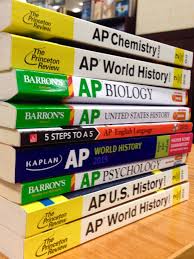
While many aren’t interested simply upon principle, AP courses provide a great chance for educational growth before many’s first steps into post-secondary education. Many go into college unprepared, and impair their education before it even begins.
AP courses benefit students and are worth it for a general education.
AP courses have always been a great sponsor to incoming college students, they offer college credits and they look great for admissions. For college-bound students, there really isn’t a debate; AP courses serve as a backbone for many, even shortening their college experience, saving money in the long run. The only downside for students is the generally increased difficulty of the coursework, however that’s the ‘catch’, they’re intended to challenge students, and prove their college-readiness via what is essentially educational rigor. Jack Schneider, assistant professor and author for Brookings, attributes this to the country’s interest in post-secondary after WWII. Schneider goes on to state, “Today, the AP program serves several ostensible purposes. Students can save time and money by earning college credit or placing out of introductory courses, demonstrate academic rigor for the college admissions process, and—at least in theory—prepare themselves to succeed in college.” AP courses, while considered by many to be just difficult, bolster students educationally. While the courses may be challenging, the ability to receive college credit, the experience gained, along with the knowledge, all make the program worth it for those wishing to pursue post-secondary education.
A fair argument many have is why does a nongovernmental organization, The College Board, have such an influence on our education system? Schneider states,“The hope was that doing so would increase the number of college entrants and graduates in the U.S., leading to a better-educated and more productive workforce.” This sudden boost in post-secondary education caused an undeniable switch in the U.S.’s standard in education, college became common. The College Board created AP coursework in order to allow students who were going above and beyond to push themselves even farther forward, Schneider elaborates, “The AP program was originally created as a way of accelerating learning for the so-called best and brightest.”
The benefit of AP courses is undeniable; however, not everyone strives to pursue a post-secondary education. This article isn’t exactly meant for someone going into the trades; Advanced Placement courses, however, can be beneficial, even if indirectly. Entrepreneurs could take economics courses, there’s always benefits to be found within the program. However, it’s a wasted opportunity to not take these courses if they could benefit your post secondary education, they’re free and bolster transcripts. It’d be useless to waste such an advantageous offer; that would save plenty from the plenty of student loans many have to take out.
While in the U.S., students fresh out of high school have declining college attendance rates, AP courses still remain a great option for those wishing to. With the College Board’s various financial aid programs, even the exam fees may be waived, with no financial liability, AP courses are in a better spot than ever. Many waste opportunities for scholarships and other various financial tools to help get them through their schooling, AP courses shouldn’t be a wasted opportunity. Students taking these courses will save time, money and earn college credit along the way.