























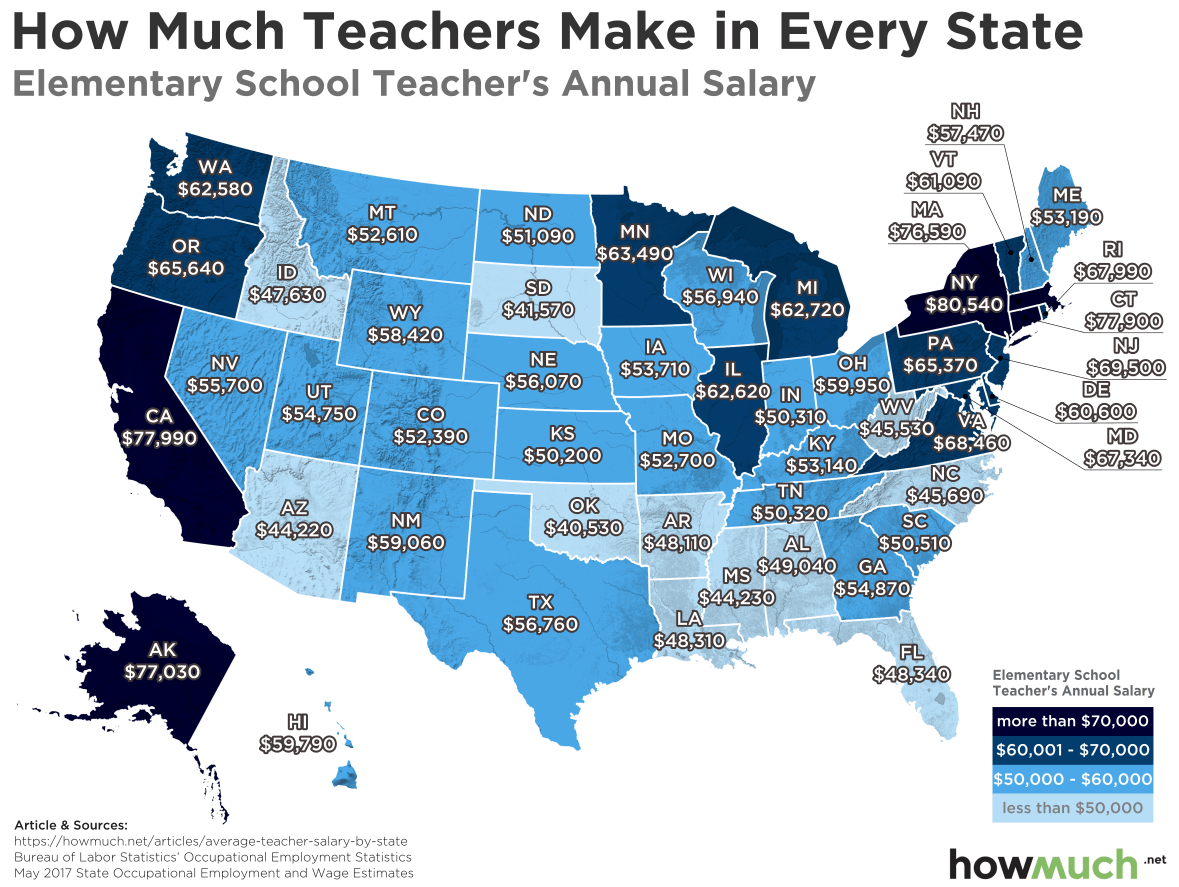
Teachers take on significant roles in ensuring the success of adolescent’s futures; their salary can vary drastically depending on the designated area.
Regardless of that factor, educators still tend to be severely underpaid on average.
Since 2023-2024 the average public professor rose by 3.0%, but this is still inadequate in keeping up with inflation prices. Novice teachers are offered less than $40,000 as a starting salary in 16.6% of U.S. school districts. Based on calculations approximately 69.9% of educators are paid less than $50,000, only a low 20.7% are paid more than $100,000. As disclosed by the National Education Association, “U.S. educators still suffer from too-low wages and a lack of professional respect. Too-low pay exacerbates the national teacher shortage, making it difficult for school districts to attract and retain quality educators while also worsening educator morale.”
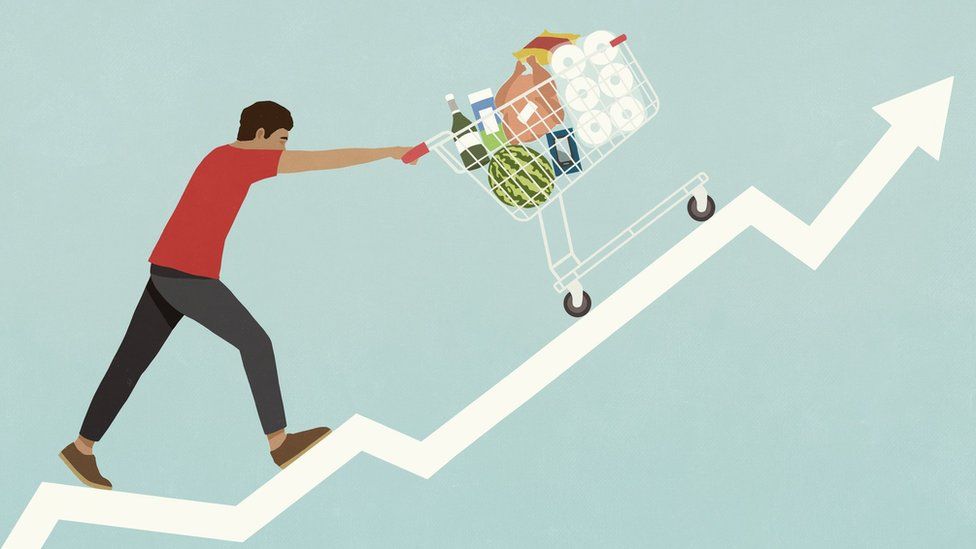
Contradicting sources may claim educator salaries are sufficient and can indeed keep up with the rising prices of inflation. This is arguably incorrect as the up-rising in finances causes a strained budget for teachers’ expenses, let alone if they have a family to provide for as well. The general income of professors is too teetering to burn a blind eye to, their significant roles are overlooked and undervalued and can worsen their morale, equating to poorer quality work ethics and such.
The solution could be quite simple; if teachers are given a high income it could reduce financial stress and result in a higher morale which benefits all parties involved. Not only does this benefit teachers, but the quality of education received by students would increase, therefore, establishing a suitable relationship.
From firsthand experience, teachers across the U.S. can be seen unmotivated to go to work because of their economic situation. An increased revenue would resolve that issue and provide fruitful benefits.