

























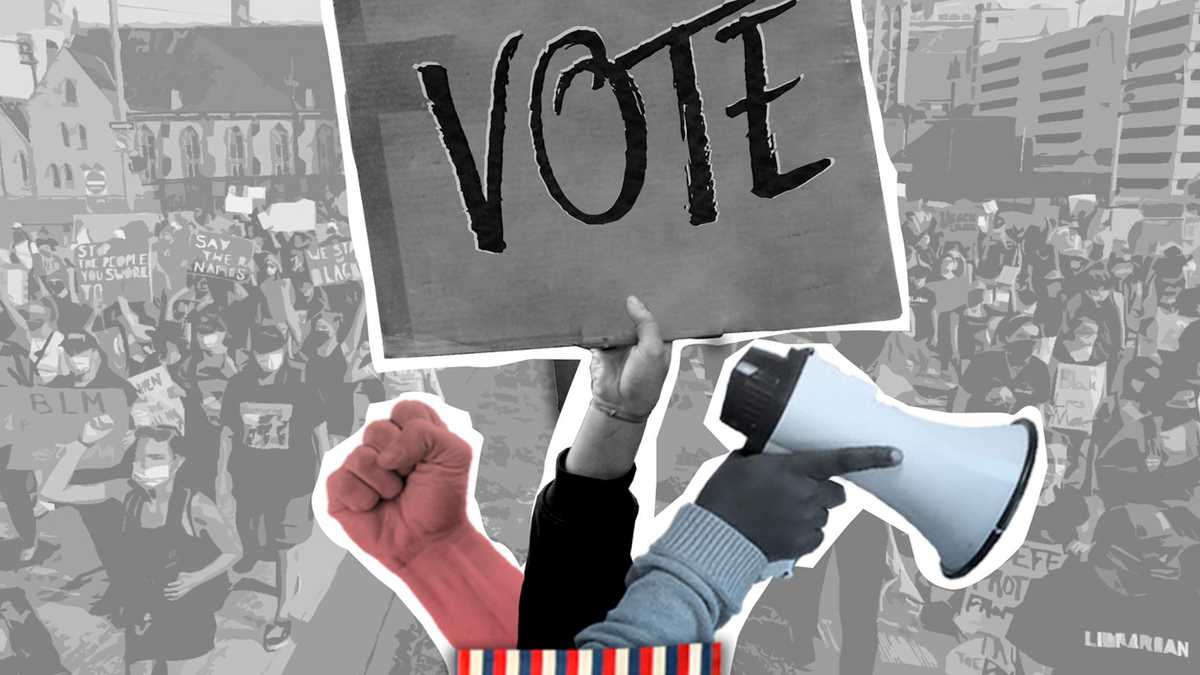
Many would argue that one’s right to vote should be universal, whether it may be the 15th, 19th, 24th or the 26th amendment, all of them either bolster or establish franchise rights.
The whole country is built on a precedent “land of the free.” Shouldn’t that freedom also protect voting rights?
As of now–while not perfect–the U.S. does give voting rights to all established residents, regardless of sex, race, background, the only limiting factor is age. Many debated voting age until the Vietnam War, where many argued if you could be drafted at 18, you should have every right to vote at 18. The 19th amendment was implemented to secure women’s suffrage, one of the last ‘hurdles’ in a long-fought battle for equal rights. While many would argue that’s a really important thing to protect, others implement unintended difficulties, or hurdles to that process. The SAVE Act, which intends to secure election processes, would put a huge hurdle in the way of women’s suffrage (in particular married women). The act intends to secure elections via needing extra documents to provide a proof of identity, including a birth certificate. This at face value signs fine; however, married women typically change their last name to that of their spouse. The discrepancy between the documents, which shouldn’t be an issue, becomes one rather quickly, when their right to vote is disrupted.
Legislators coming out in support of this bill have stated that as long as other supporting documents are in place, such as a marriage certificate or court decree showing the change in name are shown, it would allow them to vote. This, however, is an unnecessary hurdle. The issue being court decrees are fairly uncommon since they’re not required for married individuals who want to change their name. This has never been an issue before and never negatively affected this process until now. Professor Tracy Thomas, who teaches constitutional law at Akron University, stated, “These might all seem like trivial costs, but they all add up. There are also time delays and administrative inconvenience and burden at each step that creates more obstacles and discouragement to voting.” This is directly disputed in the 24th amendment. The 24th amendment eliminated any tax or fee that would prohibit one’s franchise rights. This directly disputes that, adding an unnecessary fee.
Overall, the bill’s ambiguity could allow local legislators to impede with bias and partially inhibit women’s suffrage. While everyone wants a secure election process, impeding on others rights is not the way to do it. There’s plenty of other ways to bring about that change, even if you just have to bring an ID, those have prohibitive costs as well, however, legislation could be passed to waive those fees, which is both a cheaper, and easier way to secure elections from potential fraud, rather than inhibiting voter rights. While there is no conclusively ‘correct’ answer, pushing for election security should not jeopardize those who are already franchised. It would be more than hypocritical to insist upon a system that only harms its constituents. There needs to be a level of accountability held, that can both allow for a more secure election process, and secure voter rights.