























Snow days can impede on a normal learning environment, whether it be a span of a few days or up to a week.
It’s a difficult argument; everyone enjoys the break; however, it does impede on education. There should be a compromise.
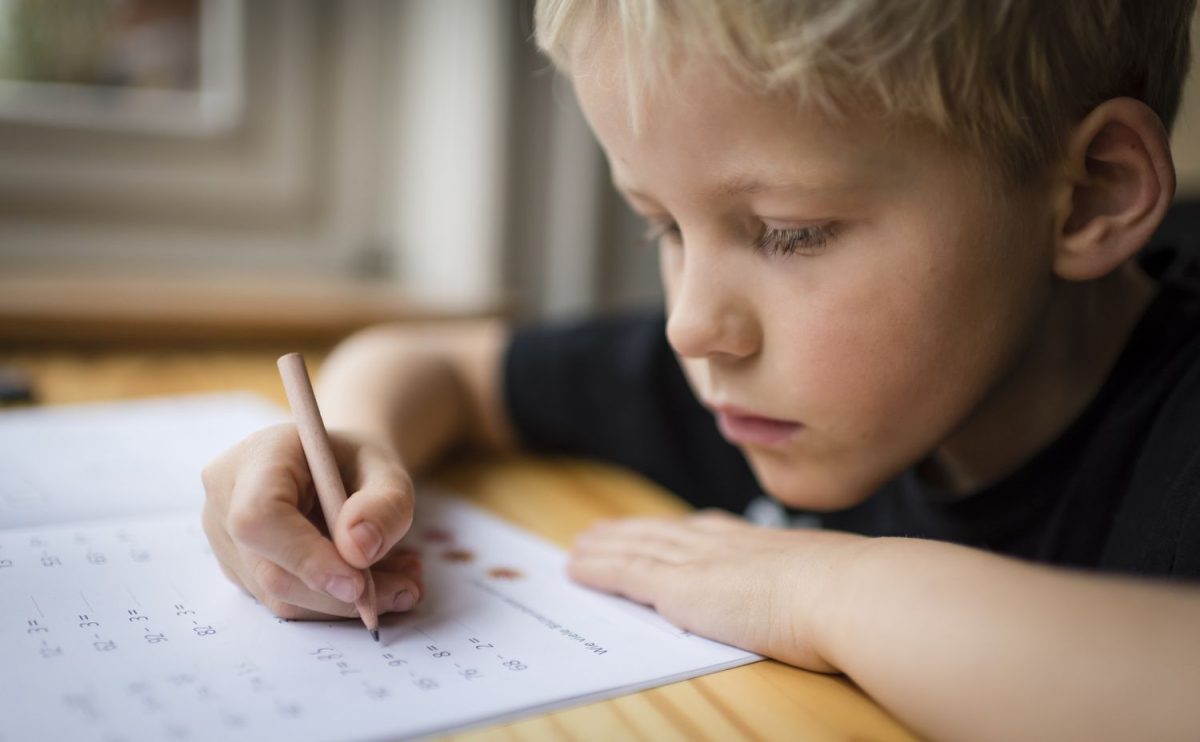
As of now, many American schools deal with an excess of these poor weather days. The schools that do go along with these remote learning days have had complaints. Kate Gutwillig, a fifth grade teacher at P.S. 134 in Manhattan, said, “You can’t teach these kids all these social norms on Zoom today.” There’s a loss of educational importance when kids can just shut their camera off. As much as it seems like a good premise, it’s never that great of an outcome. During the COVID-19 lockdowns, many students outright refused to participate in online classes, what would make a snow day any different. It’s a difficult situation with no real objectively right answer. While many want to bolster their children’s education, it’s simply an unnecessary stress.
While there’s a good intent, no one wants these children to lose time for education. There’s a clearly right “on-paper” answer, remote days sound great, the issue is when they’re implemented in practice. A 2014 study states, “A small number of snow days did not have any noticeable effect on test scores. On the other hand, keeping schools open on snowy days when attendance was low did seem to harm learning.” These remote days may even harm a student’s education; many bank on snow days to be a break from their otherwise stressful school schedule. While there should be a plan in place for an excess amount of snow days, a few never hurt. Whether they sit in bed or go sled, there’s no harm to snow days.
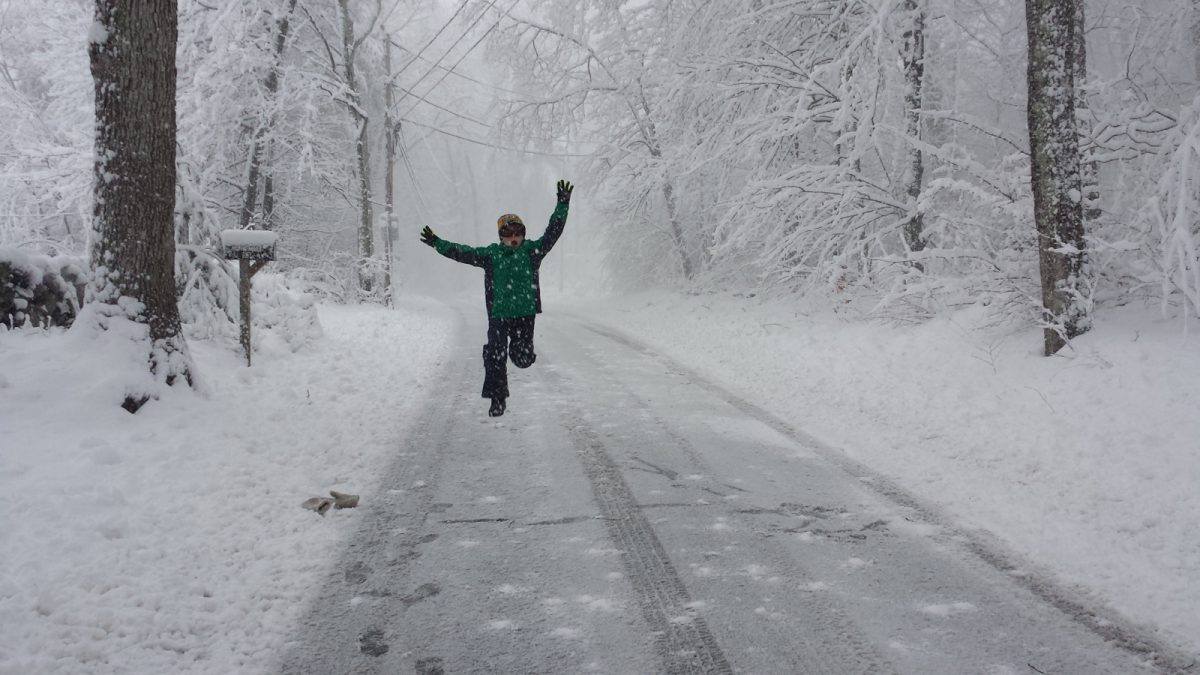
While it may seem to undermine arguing for remote days, kids deserve a break from school every once in a while. Missing a day isn’t going to ruin our education system. Remote days either cause additional stress for a student, or they outright ignore their work for the day. There really isn’t a point for them, except in the situation where students will miss weeks of their education. That’s the issue in this argument; there isn’t a right answer. There’s no reason to fight for an unproductive school day; they can always learn tomorrow. Let the kids go out and play in the snow for a day.
All in all, it’s just a fruitless argument; as long as the snow days aren’t in excess, they’re not impeding on children’s education. Remote days remain relatively unsuccessful, which while unfortunate, just means there isn’t anything to change. Remote days should only be an alternative for an excess of days–and at that–they should only be assignments. If it’s not broken, what’s the point in fixing it?