






















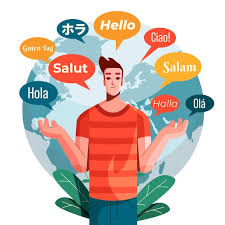
Language has been synonymous with society and culture for ages. The importance it holds, however, is debatable.
Dialect is inseparable from civilized customs; without it, society would lack a key component.
A culture’s lingo is shaped by history, identity and social structure. According to the Translation Excellence Language Services, “Language influences how people think, behave, and interact.” Along with this, language reflects a community’s beliefs, values and identity. Even simple affairs such as greetings and phrases show what is of high esteem in a community. Language evolves with society, adapting over time to best fit its people’s needs.
As opposed to this belief, language barriers can be seen negatively, through certain points of view. The common argument being that language barriers create distance and limit what could come from unity. However, different languages can influence one another beautifully, creating an exchange of culture that can fit together exceptionally well. What people fear, value, celebrate and view the world are expressed through linguistics. Getting rid of such boundaries would erase monumental history.
If people could grasp a general understanding of other cultures, then the argument over unity or individuality may subside. Even the briefest amount of knowledge acquired could simplify societal barriers. Becoming well versed may harmonize different traditions and history.
Different communication styles derive identity, shape speeches and popularize well loved phrases. Such diversity creates individuality and unique ideas, language synthesizes with historical shifts; getting rid of it would erase eons of archives.