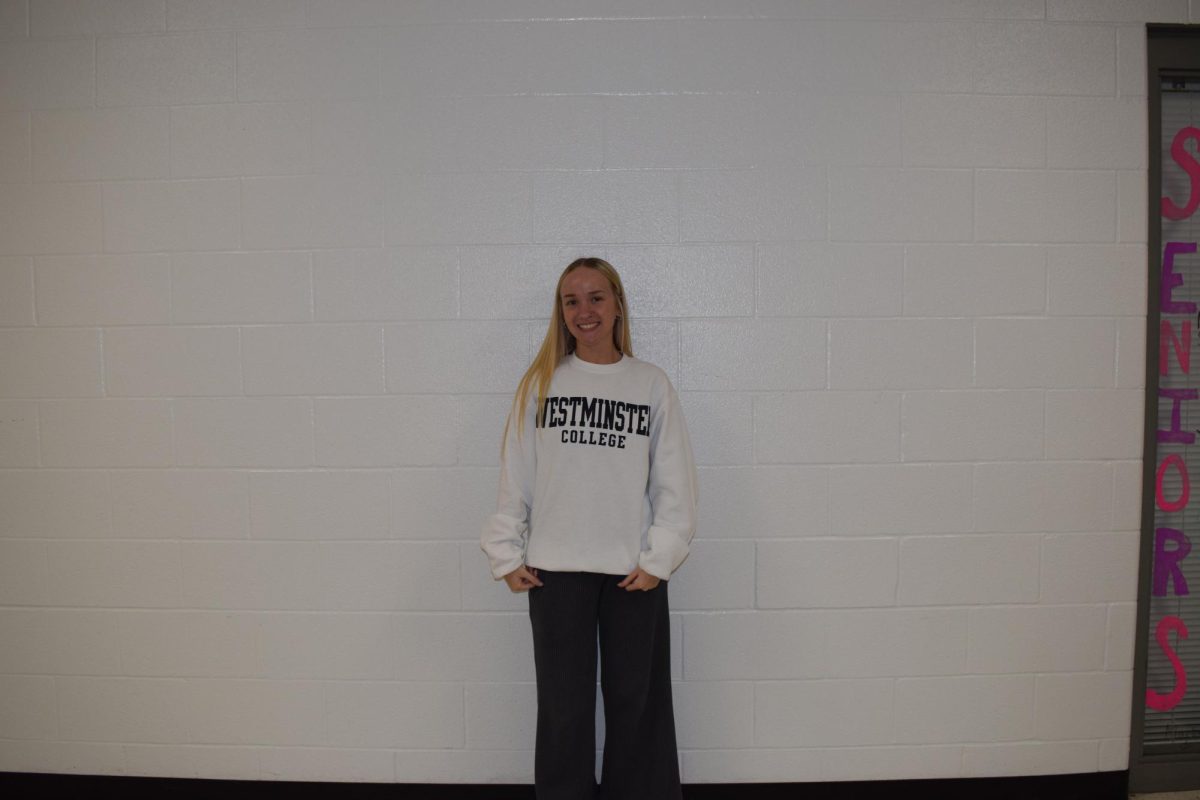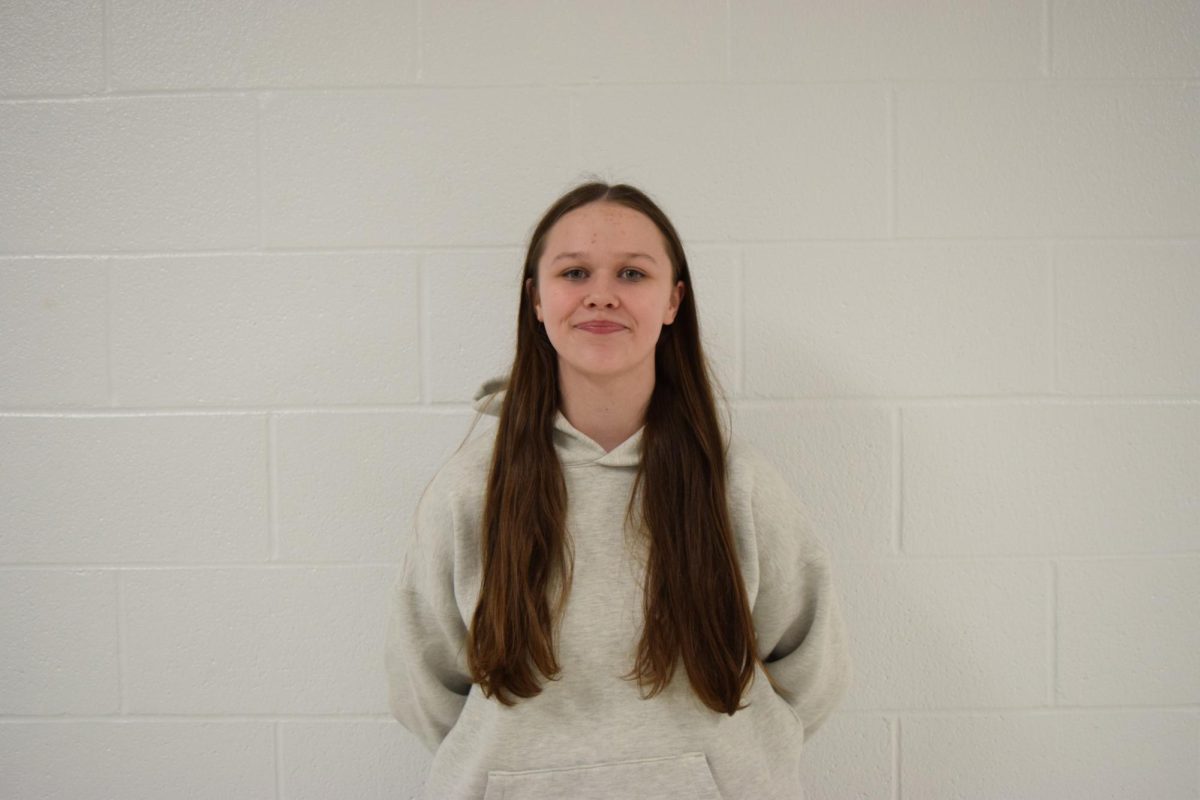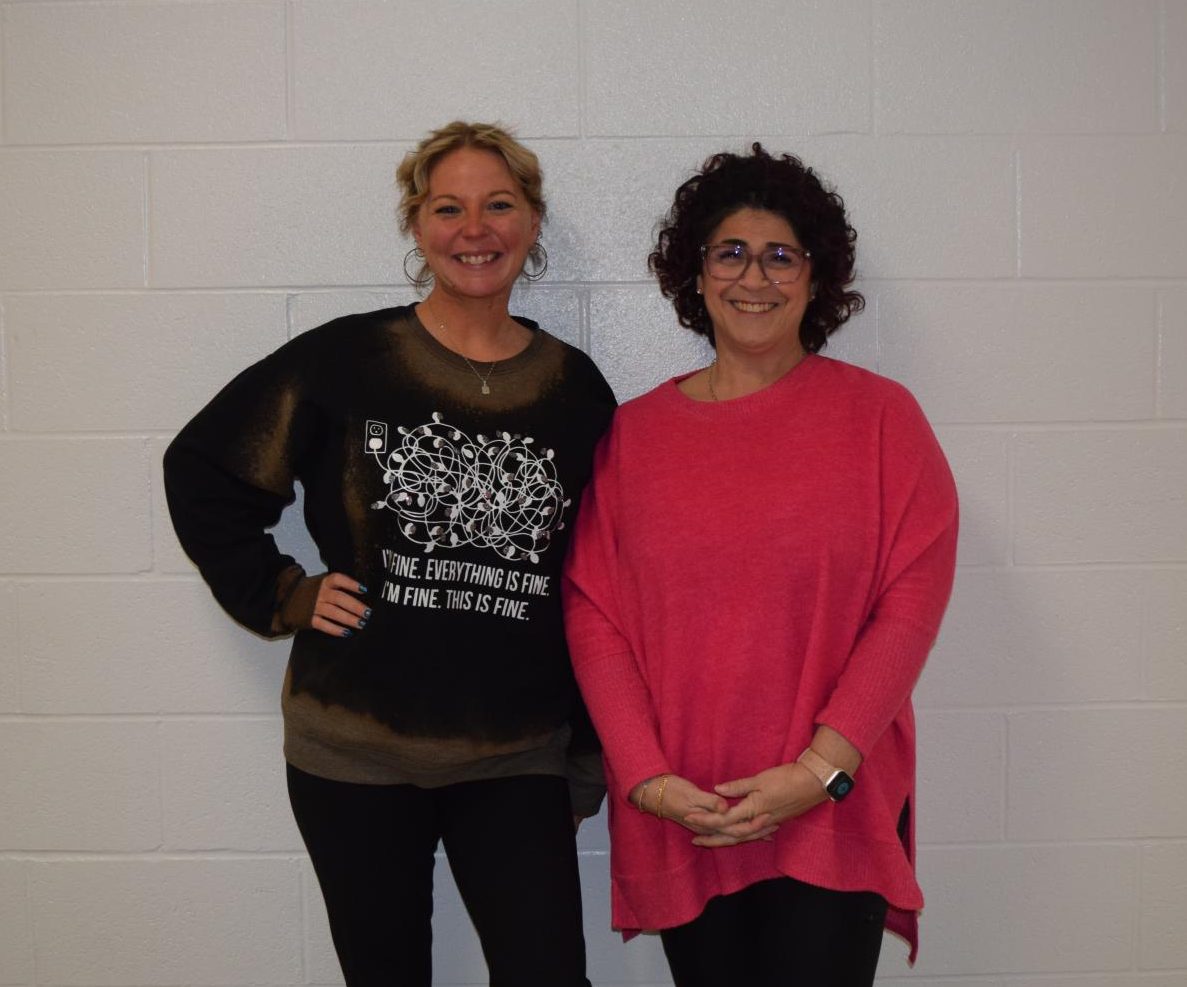

Our counselors at SHS were interviewed to give students a better perspective on their daily life. They share helpful advice according to their personal viewpoints, relating to academics, grade levels and overall difficulty of high school.
Both Weitzman and Dubos agreed that as a counselor they feel more rewarded by directly helping their students, rather than only being in their classrooms. Although teaching was strongly impactful, Mrs. Weitsman and Mrs. Dubos wanted to take it a step further and direct their students in a more formal academic way to better their students’ futures.
The counselors expand their opportunity to help their students.
“Although teaching was extremely rewarding, counseling helped students know what to do with their lives,” says Dubos.
“I wanted to have more of an impact on students’ lives other than just being in my classroom. My kids’ high school counselors did not help them at all, and I wanted to change that experience,” says Weitzman.
Their inspiration for being a good counselor is to give their students a trustworthy person who they can rely on to offer truthful advice. Both counselors have the opportunity to listen to their students and welcome them into a non-judgmental environment. They best define a good counselor to be someone who gives their undivided attention to students to better their futures one step at a time.
The counselors define what it means to be successful at this job.
“A good counselor is somebody who is willing to listen and give the students the tools to be successful in life in and out of high school,” says Dubos.
“A good counselor is somebody who’s trustworthy, non judgmental and will tell you the good and the bad of situations. Someone who has invested interest in an individual,” says Weitzman.
Each counselor has been committed to their job for several years, with Weitzman going on her 7th year and Dubos going on her 6th. Throughout these years, the counselors have agreed that there is no specific routine that they follow. Each day is diverse and brings new chaos and excitement.
“It is completely different every day,” says Whitzman.
“It changes every day; it is never the same,” says Dubos.
The counselors enjoy mentoring the seniors the most due to them having the ability to successfully help them in their next chapter of life. Although they both cherish mentoring each grade level, seniors were chosen to be the most enjoyable because their future career is far closer than the rest of the grade levels. Due to their limited time left within the high school, Mrs. Weitzman and Mrs. Dubos spend critical time helping direct them through their goals.
The counselors feel most fulfilled helping the seniors.
“The seniors need more help in the avenues and directions for their lives,” says Weitzman.
“I am able to help the seniors prepare what to do after high school,” says Dubos.
Upperclassman and underclassman differ in terms of academic level, maturity and familiarity. Upperclassmen are not new to the high school while underclassmen come from middle school where they were the oldest of their school. They learn the new expectations of high school and are navigated through this unfamiliar experience by the counselors. Upperclassmen are navigated as well, but they are already familiar with the high school. This makes it easier for our counselors to talk with the upperclassman one on one because of their improved understanding of the future.
The students are mentored in different ways based on their grade level.
“The upperclassmen are looking more towards their future; counseling the underclassmen is like teaching kindergarten. We are giving the underclassmen tools and expectations of what high school looks like,” says Dubos.
“Underclassmen need to be taught the skills on how to do school; they are coming from middle school where they are the oldest grade from the lowest entering high school,” says Weitzman.
As a student progresses throughout each year of high school, the counselors identify characteristics as they mature. This depends on the student but the most visible sign of maturity for the counselors are the people that their students surround themselves with and how responsible they are with their grades and attendance. Both counselors seek junior year to be the most effective year for character development.
The counselors explain about explicit signs of maturity within their students’ lives.
“By junior year, a lot of them realize how important their grades and attendance are and how important it is to learn problem solving and conflict resolution skills,” says Dubos.
“They see how important their grades and gpa are and once they get to junior and senior year they can’t fix their gpa. Some of them I notice an improvement in choices in friend groups and decisions,” says Weitzman.
Referring to the most difficult year of high school, junior years takes superiority. The counselors once again agreed that junior year brings the most struggles academically and mentally. As a junior in high school, you are more explicitly introduced to new opportunities such as taking AP classes and CCP courses.
Mrs. Weitzman and Mrs. Dubos identify the most difficult year of high school.
“Junior year because students start to take honors and AP classes,” says Dubos.
“Junior year: it can either make or break you,” says Weitzman.